What is an embryo transfer catheter?
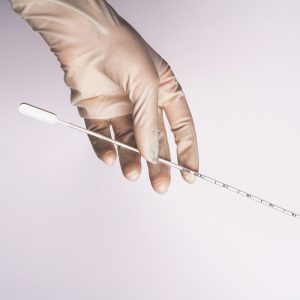
An embryo transfer catheter is one of the most effective products for treating infertility, which is used for embryo implantation in IVF. This product is a thin and flexible tube that is inserted through the cervix to transfer the embryo from the laboratory dish to the mother’s uterus. To use an embryo transfer catheter, we must be fully aware of its specifications. For this reason, stay with us in the rest of this article to learn more about this type of catheter.
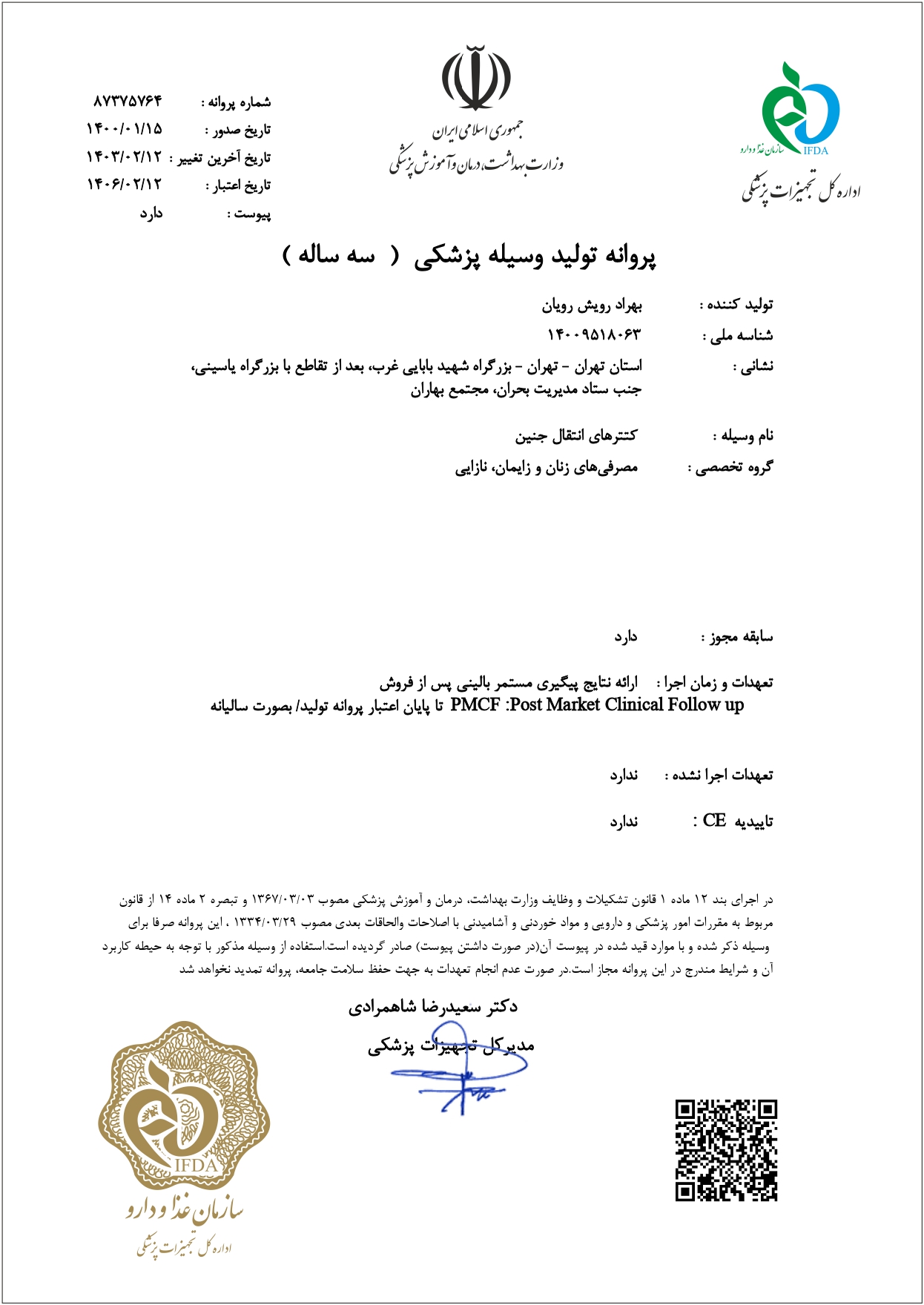
According to the reputable Royan Center, the RADA embryo transfer catheter was able to pass the important MEA test with a higher efficiency percentage than a similar foreign sample.
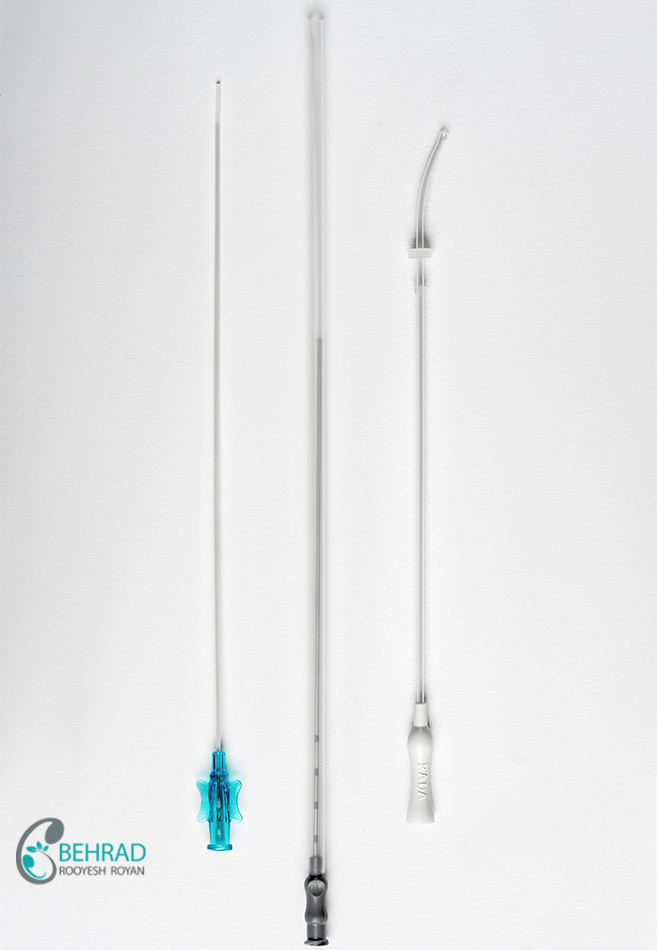
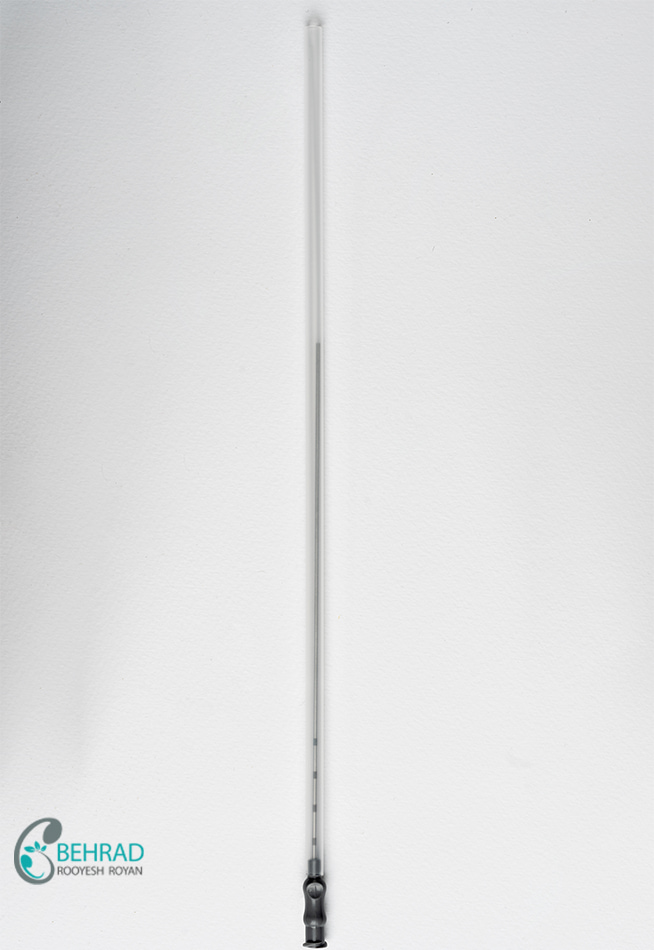
This product is made with localized technology and is known as a high-quality product by experts. Other features of the RADA embryo transfer catheter are as follows.
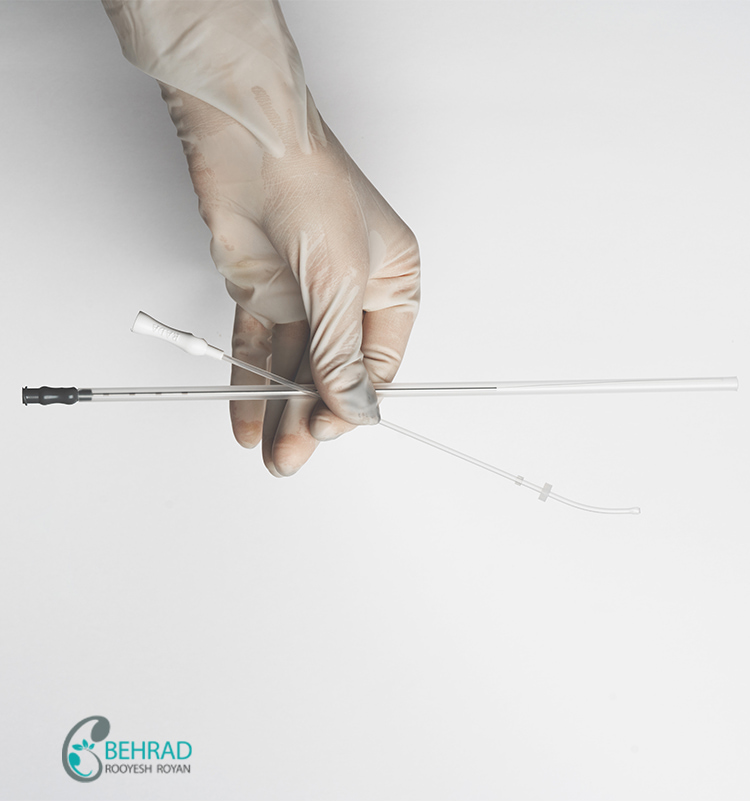
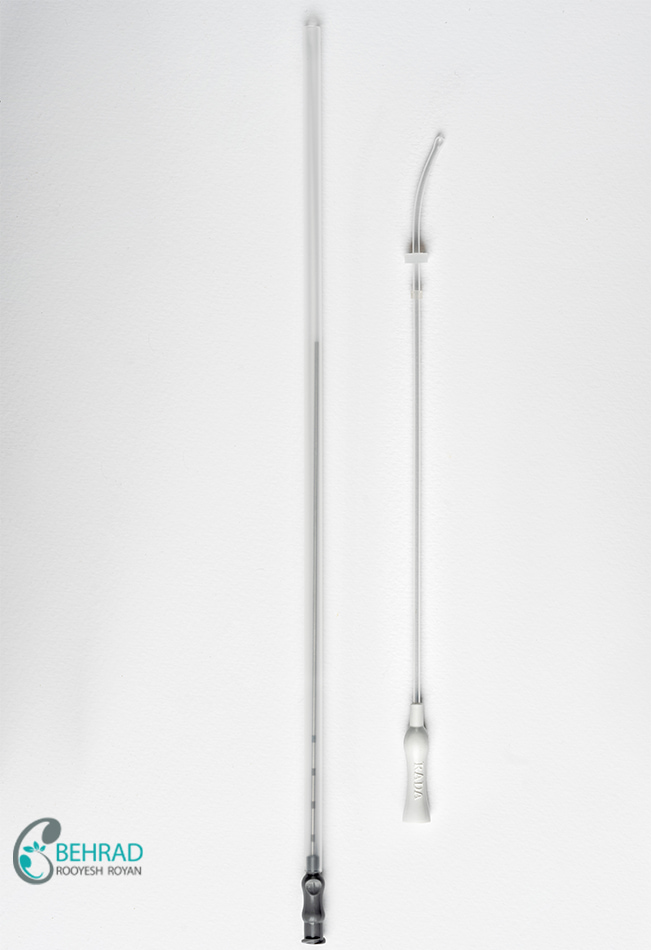
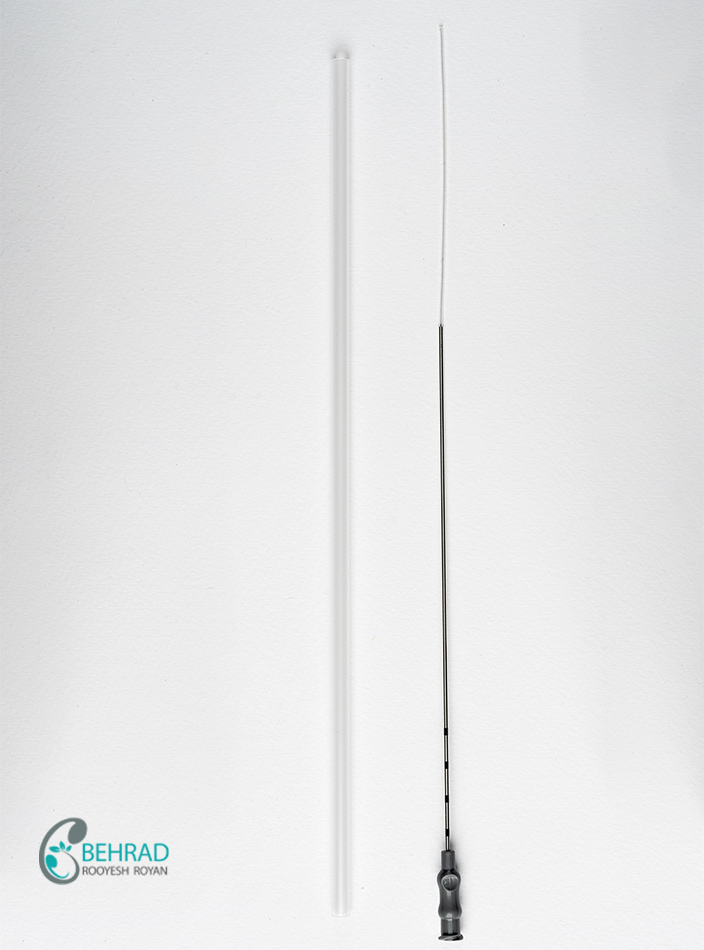
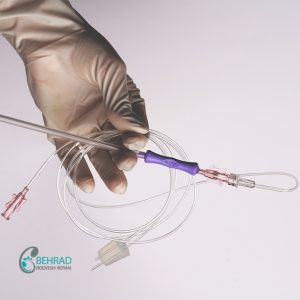
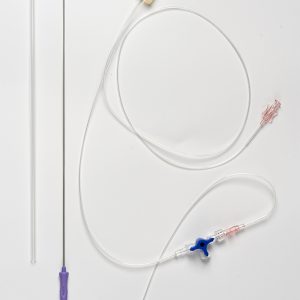
Two main parts of the product:
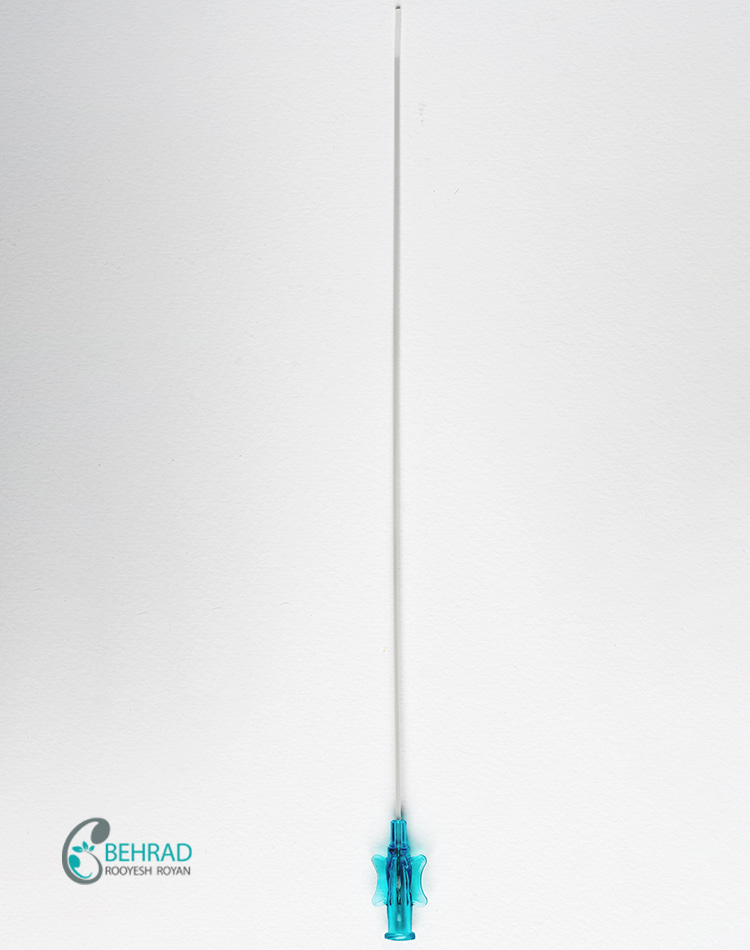
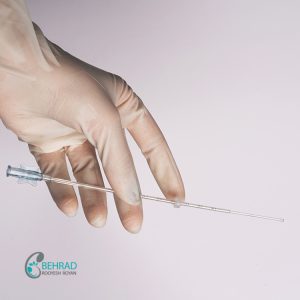
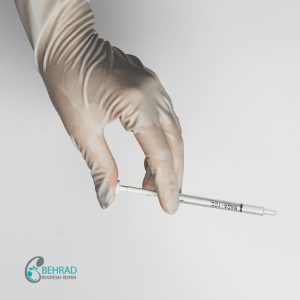
Internal catheter: for embryo retrieval and transfer to the uterus
External catheter: guide to the location of embryo placement in the uterus
The embryo transfer catheter is one of the most effective tools in infertility treatment methods (IVF) designed for precise embryo transfer to the mother’s uterus. This product, with its localized technology and high quality, is the first choice of many specialists.
Why RADA embryo transfer catheter?
High success rate MEA test: RADA catheter, as certified by the reputable Royan Center, has a higher efficiency percentage than foreign samples.
Precise and advanced design: Designed in accordance with ergonomic standards for precise and safe embryo transfer.
High-quality and biocompatible material: Made of medical grade polyethylene or polyurethane.
Disposable and sterile: ensuring safety and preventing infection.
Specifications and benefits:
Standard length (24 cm) to meet the needs of specialists.
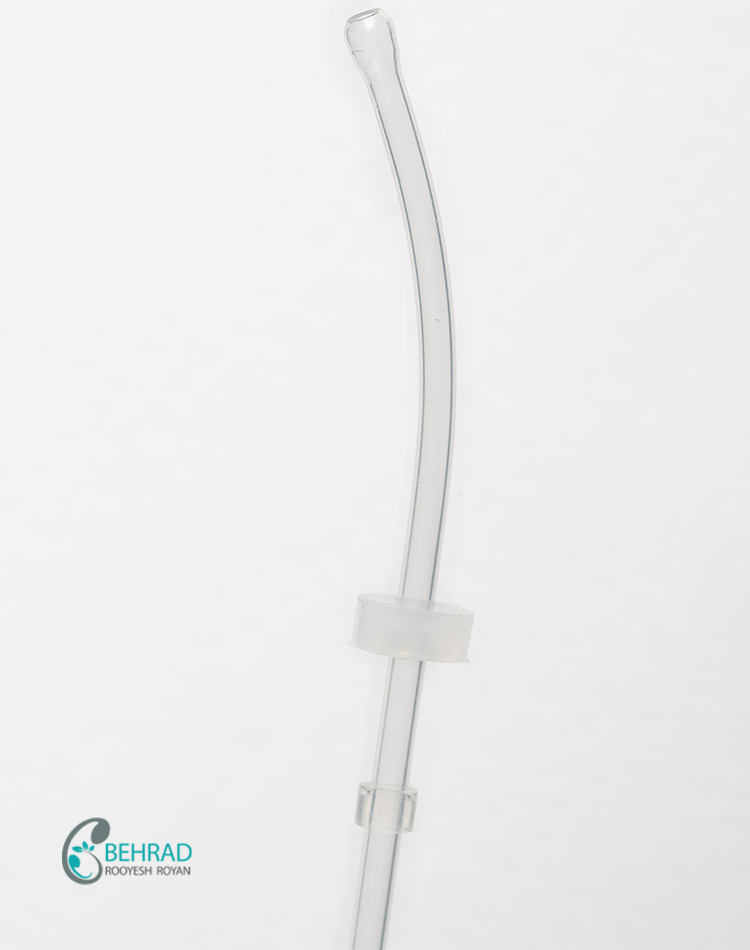
Soft distal tip to reduce damage to uterine tissue.
Flexible body for easy and accurate placement.
Suitable for use with ultrasound methods for better guidance.
Usage process:
Equipment preparation: Check sterility and expiration date.
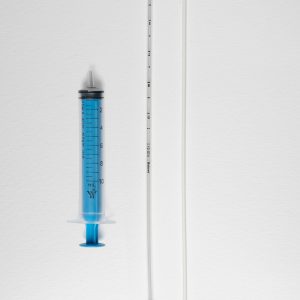
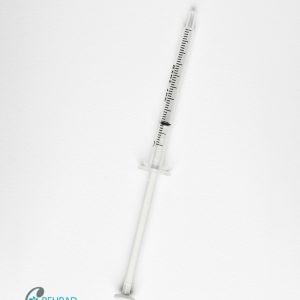
Embryo loading: In a sterile environment using a standard syringe and the inner lumen of the catheter.
Transfer to the uterus: Place the catheter through the cervix with minimal pressure and use ultrasound to ensure accuracy.
| Product name |
Product code |
Description |
| Rada embryo transfer catheter |
BR344128 |
Guide + Transfer with Tube Tip Forming |
| Rada Plus embryo transfer catheter |
BR344129 |
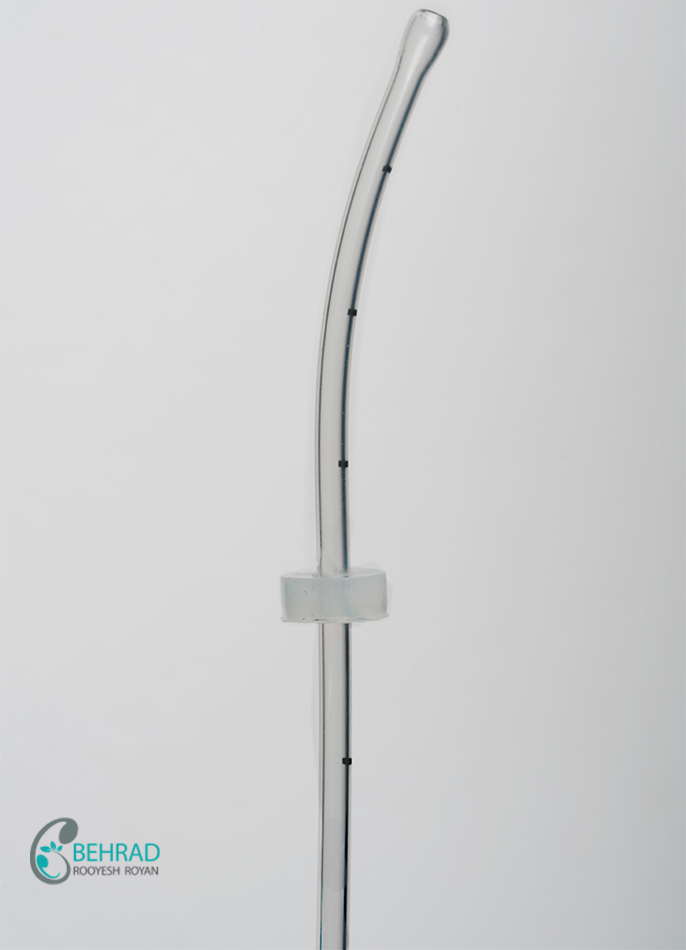
Graded guide + Transfer with Tube Tip Forming + Mandrel |
Detailed specifications of the embryo transfer catheter
First, it is better to know what the exact specifications of the embryo transfer catheter are and what features they include. These catheters play an important role in the successful transfer of embryos to the uterus of women undergoing infertility treatment.
Embryo Transfer Catheter Design
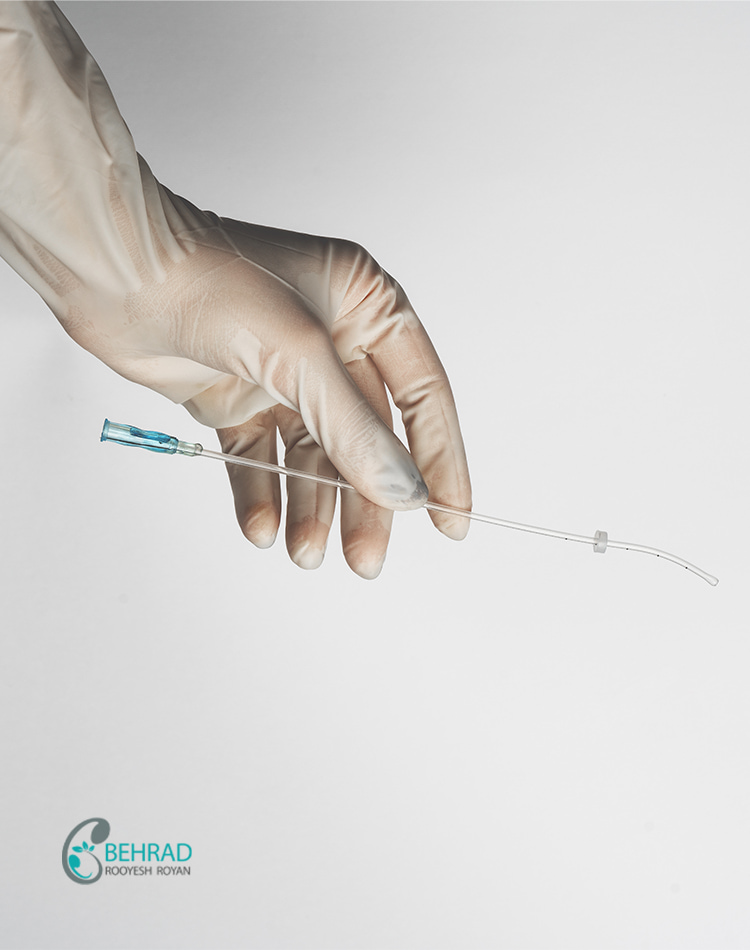
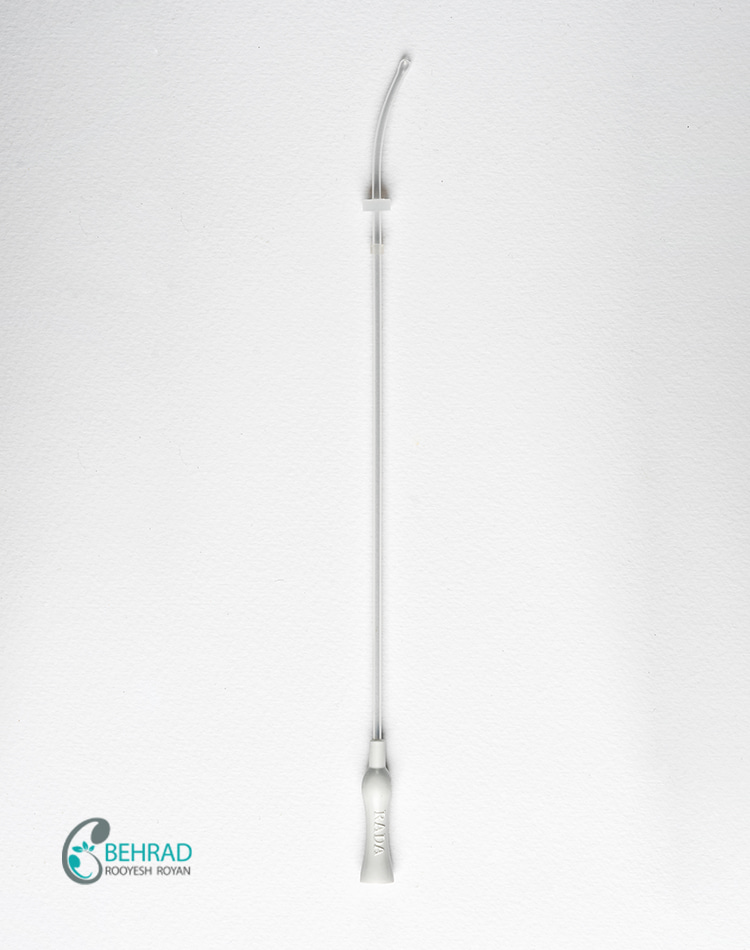
Embryo transfer catheters are typically long, thin products with a flexible, smooth surface. They are designed to be inserted through the cervix and guided into the uterus, allowing for embryo implantation in the uterus. The catheter consists of three main parts: the proximal end, the body, and the distal tip.
Proximal end of the embryo transfer catheter
The proximal end of the catheter is the part that provides a comfortable grip for the physician performing the procedure. It is ergonomically designed for ease of use and may have features such as finger grips or a textured surface to increase control during insertion.
Outer body of the catheter
The outer body of the in vitro embryo transfer catheter is a thin, flexible tube that connects the proximal end to the distal tip. The body is usually made of medical-grade polyethylene or polyurethane, which ensures biocompatibility and flexibility. The length of the catheter varies but is usually between 15 and 20 cm to meet different anatomical needs.
Distal tip of the catheter
The distal tip of the embryo transfer catheter is the most critical part, responsible for accurately delivering the embryo into the uterine cavity. It is designed to minimize pressure on the uterus and maximize the chance of successful implantation. The distal tip may have special features, such as being rounded or smooth and without indentations, to reduce the risk of uterine injury during insertion.
Catheter or Inner Lumen
The embryo transfer catheter has an inner section through which embryos are loaded and transferred into the uterus. The diameter of the lumen or inner section is carefully designed to facilitate the passage of embryos without causing damage. The inner lumen may also have a special coating or surface section to minimize embryo adhesion and ensure a safe delivery. The dimensions of the transfer catheter can reach up to 24 cm.
Sterility of the catheter
Embryo transfer catheters are sterilized before packaging and are intended for single use only. This ensures the highest level of safety and minimizes the risk of contamination or infection during the procedure. Each catheter is individually packaged to maintain its sterility until the moment of use.
How to Work with an Embryo Transfer Catheter
Working with an embryo transfer catheter is an important step in the Assisted Reproductive Technology (ART) process, especially In Vitro Fertilization (IVF) treatments. The following guide outlines the general steps for using an embryo transfer catheter to maximize the chances of successful embryo transfer and implantation.
Preparation
Before starting the embryo transfer procedure, it is very important to ensure that all necessary equipment is readily available and that the catheter is properly prepared. This step includes confirming the correct size of the embryo transfer catheter, verifying the integrity of the packaging, and ensuring that the catheter is sterile and has an expiration date.
Positioning the Patient
The patient should lie comfortably on the examination table with their feet in stirrups. The doctor performs this procedure to gain access to the patient’s cervix and uterus.
Cervical Preparation
The cervix is usually prepared by cleaning the area with an antiseptic solution. This helps reduce the risk of infection and ensures a clean environment for the embryo transfer.
Loading the Embryo Transfer Catheter
The embryo transfer catheter is loaded with embryos in a sterile, controlled environment. The proximal end of the catheter is held securely while the distal tip is carefully inserted into the container that holds the embryos. A small volume of culture medium is drawn into the lumen or inner catheter to create a fluid cushion for the embryos.
Catheter Placement
Using a speculum to visualize the cervix, the doctor gently inserts the embryo transfer catheter through the cervical canal and into the uterus. The catheter should be advanced slowly and steadily to minimize discomfort and reduce the risk of indentation into the cervix or uterus. Ultrasound may be used to ensure accurate placement.
Embryo Release
With the catheter in the desired position, the doctor gently depresses the plunger or engages the embryo loading mechanism to release the embryo. The fluid cushion created by the culture medium helps ensure a gentle delivery of the embryos into the uterus.
Catheter Removal
After the embryos are released, the embryo transfer catheter is carefully removed from the uterus. The catheter is removed slowly and steadily to prevent accidental embryo displacement or indentation
Frequently Asked Questions
What is an embryo transfer catheter used for?
An embryo transfer catheter is used to place an embryo into the uterus or for IVF.
What materials are embryo transfer catheters made of?
An embryo transfer catheter is made of medical grade polyethylene or polyurethane and is disposable.
What materials are used to sterilize the embryo transfer catheter?
The embryo transfer catheter is usually sterilized with ethylene oxide, which provides a high level of safety.