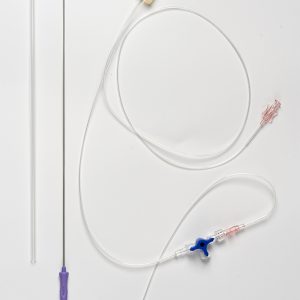
What is an embryo transfer syringe?
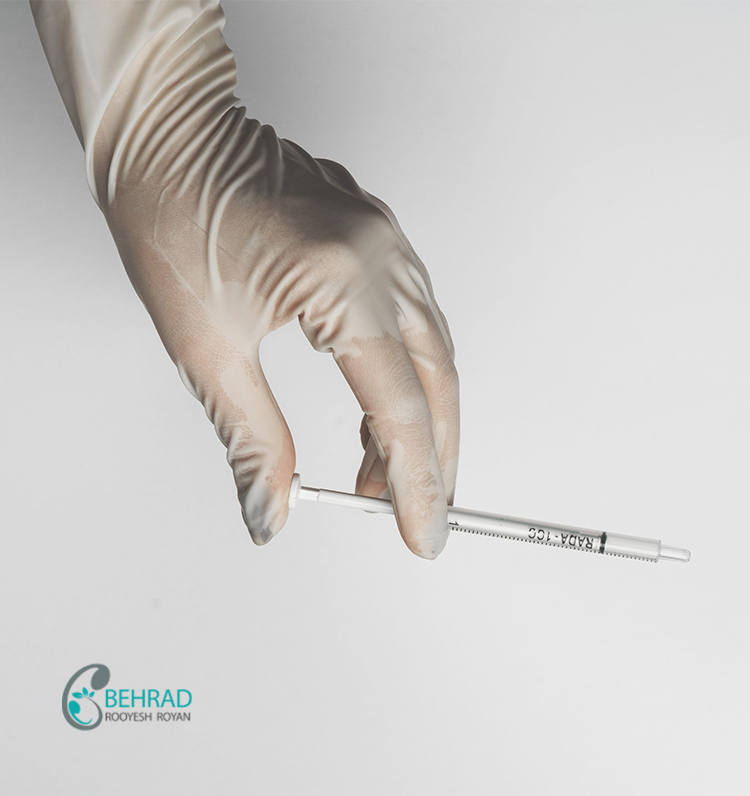
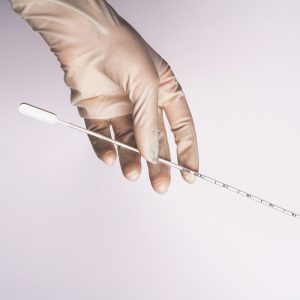
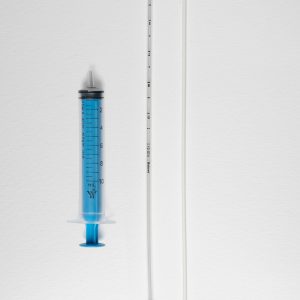
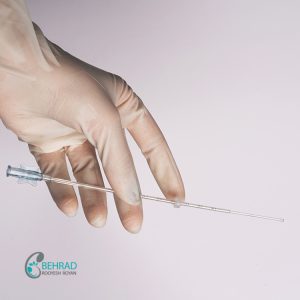
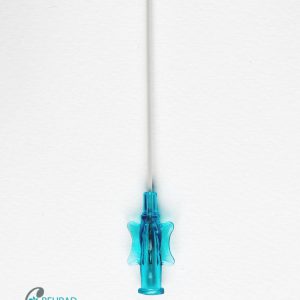
The embryo transfer syringe is used in the treatment of infertility by IVF and as a supplement to the embryo transfer catheter. This syringe allows the specialist to control the embryo during its removal and placement in the uterus.
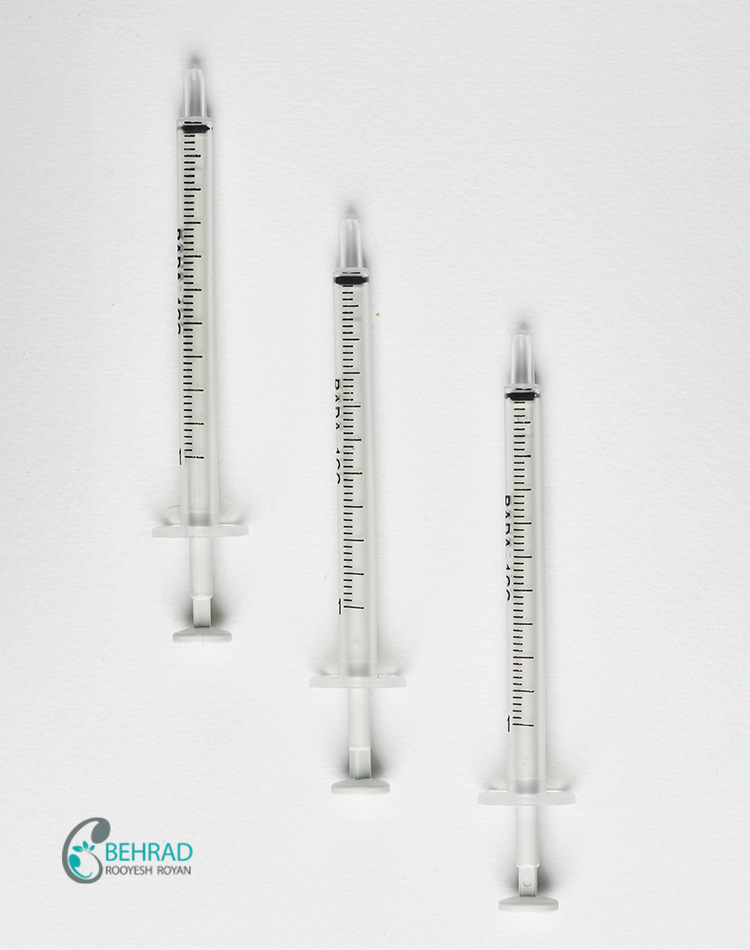
Rada embryo transfer syringe
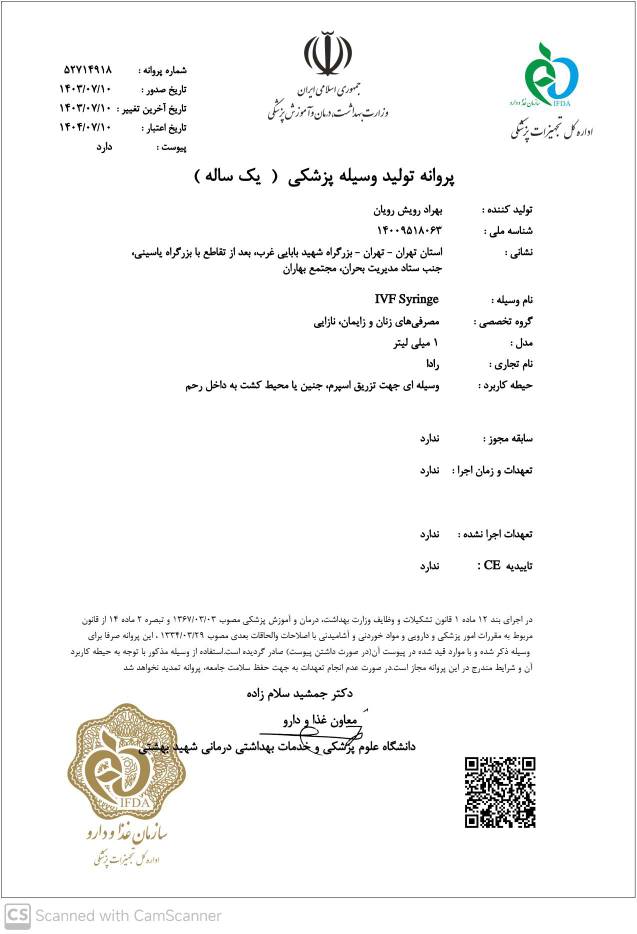
The Rada embryo transfer syringe is designed to have a smooth and uniform movement that is tailored to the specialist’s needs, so that the specialist will have the most complete precision and control over the embryo, both during removal and when placing it in the uterus. This product has successfully passed all medical tests and has received valid approvals.
Structure of the embryo transfer syringe
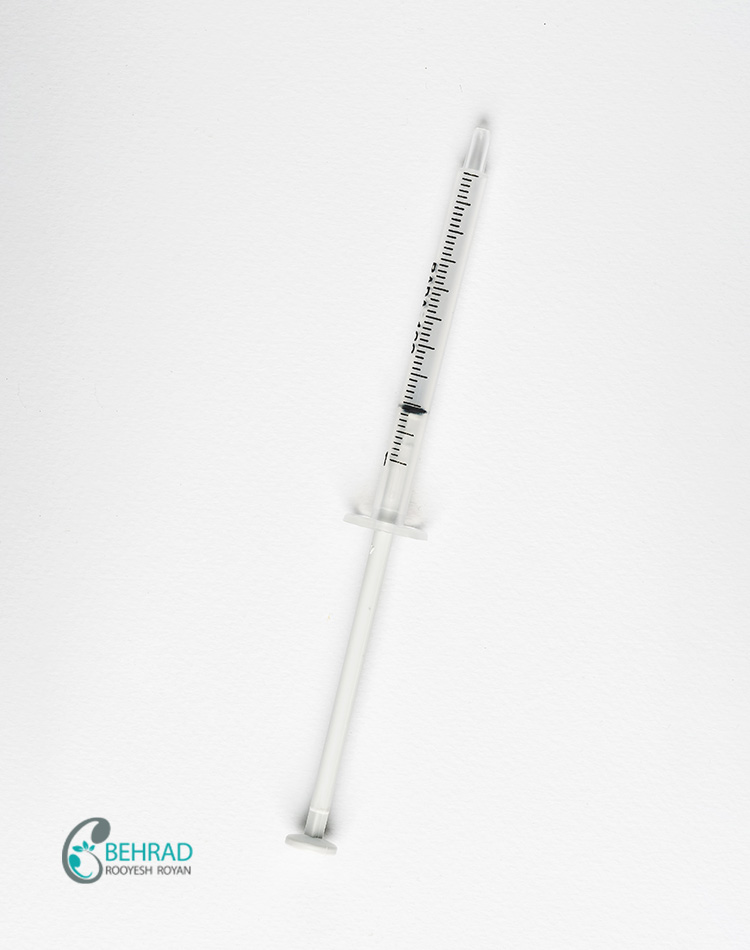
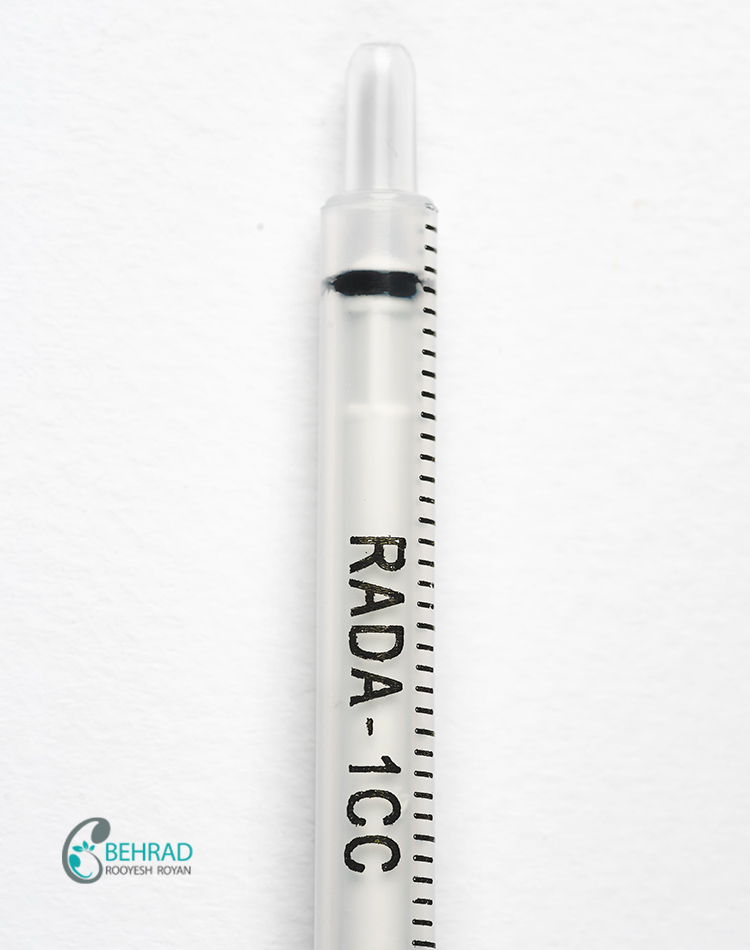
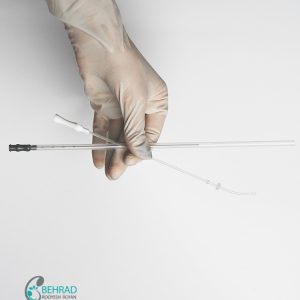
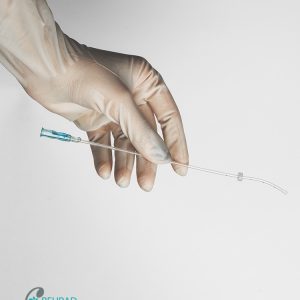
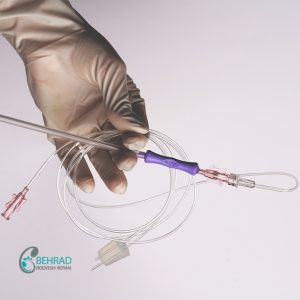
The Rada embryo transfer syringe is designed with a volume of cc1. The volume of the syringe is tailored to the specialist’s needs and does not reduce his control during the procedure. The syringe body is graduated and is connected to the embryo transfer catheter with a lower slip connection. This product is designed with ergonomic standards that ensure ease of use
This product is sterilized with ethylene oxide gas and comes in a single, disposable medical package.
How to use the embryo transfer syringe and catheter:
Preparation: Before starting the embryo transfer procedure, it is very important to ensure that all necessary equipment is readily available and that the catheter is properly prepared. This step includes confirming the correct size of the embryo transfer catheter, verifying the integrity of the packaging, and ensuring that the catheter and syringe are sterile and have an expiration date.
Positioning the patient: The patient should lie comfortably on the examination table with their feet in stirrups. The doctor performs this procedure to gain access to the patient’s cervix and uterus.
Cervical preparation: The cervix is usually prepared by cleaning the area with an antiseptic solution. This helps reduce the risk of infection and ensures a clean environment for the embryo transfer.
What is an embryo transfer syringe?
The embryo transfer syringe is used in the treatment of infertility by IVF and as a supplement to the embryo transfer catheter. This syringe allows the specialist to control the embryo during its removal and placement in the uterus.
RADA embryo transfer syringe
The Rada embryo transfer syringe is designed to have a smooth and uniform movement that is tailored to the specialist’s needs, so that the specialist will have the most complete precision and control over the embryo, both during removal and when placing it in the uterus. This product has successfully passed all medical tests and has received valid approvals.
Structure of the embryo transfer syringe
The Rada embryo transfer syringe is designed with a volume of cc1. The volume of the syringe is tailored to the specialist’s needs and does not reduce his control during the procedure. The syringe body is graduated and is connected to the embryo transfer catheter with a lower slip connection. This product is designed with ergonomic standards that ensure ease of use
This product is sterilized with ethylene oxide gas and comes in a single, disposable medical package.
How to use the embryo transfer syringe and catheter:
Preparation: Before starting the embryo transfer procedure, it is very important to ensure that all necessary equipment is readily available and that the catheter is properly prepared. This step includes confirming the correct size of the embryo transfer catheter, verifying the integrity of the packaging, and ensuring that the catheter and syringe are sterile and have an expiration date.
Positioning the patient: The patient should lie comfortably on the examination table with their feet in stirrups. The doctor performs this procedure to gain access to the patient’s cervix and uterus.
Cervical preparation: The cervix is usually prepared by cleaning the area with an antiseptic solution. This helps reduce the risk of infection and ensures a clean environment for the embryo transfer.
Embryo Transfer Catheter Loading: The embryo transfer catheter is loaded with embryos in a sterile, controlled environment. The embryo transfer syringe is attached to the proximal end of the catheter and the distal tip is carefully inserted into the container holding the embryos. By withdrawing the syringe plunger, a small volume of culture medium is slowly and steadily drawn into the lumen or inner catheter to create a fluid cushion for the embryos.
Catheter Placement: Using a speculum to visualize the cervix, the physician gently inserts the embryo transfer catheter through the cervical canal and into the uterus. The catheter should be advanced slowly and steadily to minimize discomfort and reduce the risk of indentation into the cervix or uterus. Ultrasound may be used to ensure accurate placement. Embryo Release: With the catheter in the desired position, the physician gently depresses the plunger. The fluid cushion created by the culture medium helps ensure gentle delivery of the embryo into the uterus.
Catheter Removal: After the embryos are released, the embryo transfer catheter is carefully removed from the uterus. Catheter removal is done slowly and steadily to prevent accidental embryo displacement or dislocation.
The embryo transfer catheter is loaded with embryos in a sterile, controlled environment. The embryo transfer syringe is attached to the proximal end of the catheter and the distal tip is carefully inserted into the container holding the embryos. By withdrawing the syringe plunger, a small volume of culture medium is slowly and steadily drawn into the lumen or inner catheter to create a fluid cushion for the embryos.
Catheter Placement: Using a speculum to visualize the cervix, the physician gently inserts the embryo transfer catheter through the cervical canal and into the uterus. The catheter should be advanced slowly and steadily to minimize discomfort and reduce the risk of indentation into the cervix or uterus. Ultrasound may be used to ensure accurate placement. Embryo Release: With the catheter in the desired position, the physician gently depresses the plunger. The fluid cushion created by the culture medium helps ensure gentle delivery of the embryo into the uterus.
Catheter Removal: After the embryos are released, the embryo transfer catheter is carefully removed from the uterus. Catheter removal is done slowly and steadily to prevent accidental embryo displacement or dislocation.